
Amplify Spotlight: A Job Developer Creates an Internship Program that Transforms Young Lives
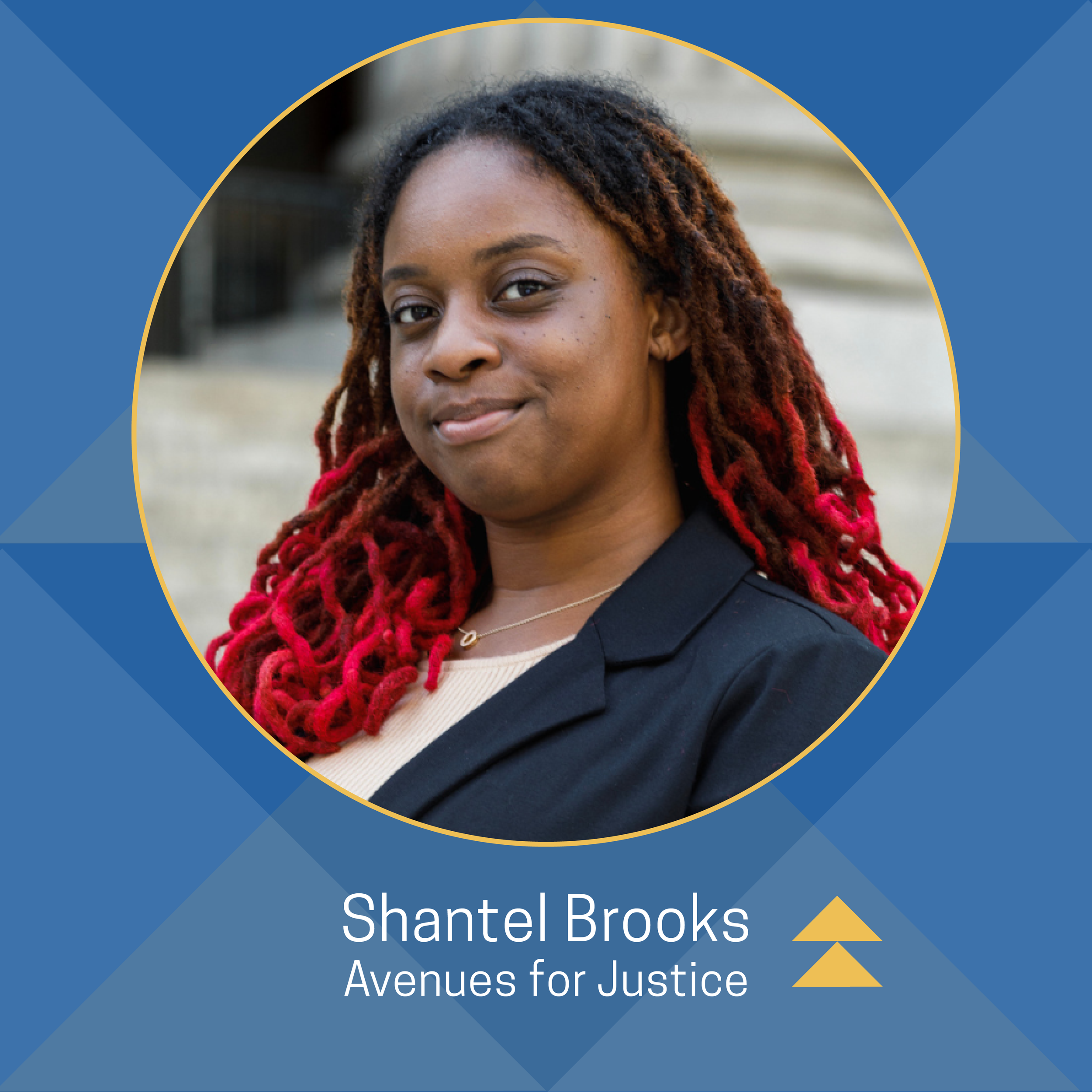
Avenues for Justice is a New York City-based non-profit organization that runs an alternative to incarceration program for court-involved and at-risk youth, ages 16- 24. In 2023, Shantel Brooks, a job developer at Avenues for Justice, launched HIRE Up, an internship program that gives participants job experience, a paycheck, and the opportunity to build their resumes. In a recent conversation with WPTI, Shantel talked about the program and its impressive results.
How did the internship program at Avenues for Justice come about?
My first job here was as a court advocate and the one thing I would always hear from our participants was, “I need money, I need a job, I need something to keep me busy.” This led to the job developer role I am in because I really wanted to focus on employment, which can be hard for young people with open cases to land. Then in 2023, our leadership team decided to create an internship program. I began reaching out to hundreds of small businesses—many couldn’t pay but they wanted to host interns and to be part of giving young people a second chance. That’s when Avenues for Justice decided we would pay the interns ourselves.
What kinds of businesses host interns, and how have you built those partnerships?
We started with just two small businesses in Brooklyn—a woman-owned movie theater, Stuart Cinema & Cafe, and an organic neighborhood market, Buy Better Foods—and eight interns. Since then, we’ve expanded to gyms, yoga studios, bakeries, recording studios, thrift stores, cafes, restaurants, museums, and more. At first, some businesses do hesitate when they hear “alternative to incarceration,” but once they meet our young people and see their dedication, they become repeat partners and even refer us to other business owners.
How do you overcome the hesitation?
I let our partners know that we take this program very seriously. We thoroughly interview and train every candidate, allow the businesses to decide if a candidate is right for them or not, and explain that we are always available. Literally, they can call me 24/7.
How has the program grown and evolved since it launched?
From two businesses and eight interns in 2023, we grew to more than 20 interns and multiple partners by our second eight-week cohort. We’ve so far placed 119 interns with more than 27 businesses and 91 have successfully completed the program—a 92% completion rate. Twenty-four participants have chosen to participate more than once. In addition, we’ve increased hourly pay from $15 to $17, added more specialized placements, including with the Brooklyn Children’s Museum, a daycare in the Bronx, and a high-end culinary institute. We also introduced an 8-day Job Readiness Workshop to prepare participants before they start.
Why is the Job Readiness Workshop important?
I realized that sometimes a candidate would do great in an interview but when they got to the job, things didn’t exactly work out. They needed a couple of reminders or some extra support. So then we created the workshop. Over the eight days, we cover realistic workplace scenarios, like how to communicate with your supervisor if your train is late, job etiquette, career exploration, and financial literacy, including budgeting and opening checking/savings accounts. We even partnered with Chase on a financial literacy session. It helps participants learn workplace basics—things like time management, customer service, professional communication, and problem-solving. By the time they arrive at their placement, they have a stronger sense of what’s expected and more confidence in themselves.
What impact do the internships have on the participants?
The change is huge. Interns look forward to the program, and many want to return for additional cohorts. They build resumes, develop workplace skills, and gain confidence. Some discover career interests they didn’t know they had; others realize certain jobs aren’t for them, which is valuable too. They learn responsibility—showing up on time, communicating with supervisors, managing a paycheck. And when a business asks for a participant to return or offers a reference, it’s a powerful boost to that young person’s outlook. Once some participants start working, their overall mood, energy, and perspective just shift. They are happy because they are working, getting paid, and getting an opportunity that they once felt they weren’t going to ever be able to get.
What’s your vision for the future of the program?
We want to keep growing—offering more placements, expanding into different industries, and reaching more young people who need structure, opportunity, and support. The more we can connect them to meaningful work, the more we can help them build strong futures.
Can you tell us about a particular success story?
Judges often mandate people in our program to go to school and/or get a job. But if someone has an open case it can be hard to get a job because the case will show up on a background check until it resolves. For example, we have one participant with two open cases. We were able to place him in an internship at the Conbody gym on the Lower East Side. They then hired him for a part-time job. Without the internship, he would likely not have been hired. The internship provides a bridge—it allows participants to gain work experience, fulfill court mandates, and demonstrate positive engagement while their cases are pending.
What is the biggest challenge you face?
Our biggest challenge is getting our youth hired after they complete their internships. They are ready, motivated, and equipped with training, but too often lack immediate opportunities to transition into employment. We are actively seeking partnerships with businesses in construction, HVAC, retail, and other industries to provide career pathways. By working together, companies can help us train participants during internships and then carry the momentum forward with employment opportunities after program completion.
“Elevate Spotlight” shines a light on rising workforce development leaders and the skills, processes, and programs that help them to effectively serve jobseekers. Do you have someone you think we should spotlight? Email us at info@wpti.org.